miércoles, 11 de enero de 2017

El Efecto Mateo y la calidad retroactiva (The Matthew Effect and Retroactive Quality)


El 'efecto Mateo' descrito por Thomas Merton ha sido recientemente puesto en valor por Nassim Nicholas Taleb en El Cisne Negro. Consiste esencialmente en una ley estadística de acumulación retroalimentativa de resultados como resultado de la atención mutua en la circulación de la información. Extraemos algunas consecuencias narratológicas y hermenéuticas a partir del análisis de Taleb, relacionando el concepto con la formación de cánones y valoraciones en la literatura y en la crítica académica, y con el concepto de la distorsión retrospectiva (o 'hindsight bias'). Los torbellinos de información resultantes del 'efecto Mateo' crean, retroactivamente, los fenómenos que realimentarán estas dinámicas informacionales de atención en un futuro.

Texto completo:


English Abstract: The 'Matthew Effect' described by Thomas Merton has been recently revalued by Nassim Nicholas Taleb in The Black Swan. It consists essentially in a statistic principle of accumulation through feedback dynamics, as a result of mutual attention in the circulation of information. Here we extract some narratological and hermeneutic consequences from Taleb's account, relating this concept with canon formation and dynamics of evaluation in literature and in academic criticism, as well as with the the concept of retrospective distortion of hindsight bias. The informational vortices resulting from the Matthew Effect give rise, retroactively, to the phenomena which will feed back on these informational dynamics of attention in the future.


Jose Angel Garcia Landa


Universidad de Zaragoza


Number of Pages in PDF File: 7
Keywords: Statistics, Success, Canon, Attention, Retrospection, Hindsight Bias, Nassim Nicholas Taleb, Matthew Effect, Feedback, Quality, Evaluation

Jan. 10, 2017 (SSRN)


También aquí:
 

_____. "El efecto Mateo y la calidad retroactiva." In García Landa, Vanity Fea 9 July 2009.*

         http://vanityfea.blogspot.com/2009/07/el-efecto-mateo-y-la-calidad.html

         2009

_____. "El Efecto Mateo y la calidad retroactiva." Ibercampus (Vanity Fea) 15 July 2009.*

         http://www.ibercampus.es/articulos.asp?idarticulo=14463

         2013

_____. "El Efecto Mateo y la calidad retroactiva (The Matthew Effect and Retroactive Quality." SSRN 10 Jan. 2017.*

         http://ssrn.com/abstract=2895701

         2017

_____. "El Efecto Mateo y la calidad retroactiva." In García Landa, Vanity Fea 11 Jan. 2017.*

         http://vanityfea.blogspot.com.es/2017/01/el-efecto-mateo-y-la-calidad.html

         2017

_____. "El Efecto Mateo y la calidad retroactiva." Academia 25 July 2017.*

         https://www.academia.edu/34032264/

         2017

_____. "El Efecto Mateo y la calidad retroactiva." Dj4real.com.*

         http://dj4real.com/34032264/El_Efecto_Mateo_y_la_calidad_retroactiva

         2021

_____. "El Efecto Mateo y la calidad retroactiva." ResearchGate 26 July 2017.*

         https://www.researchgate.net/publication/318701310

         2017

_____. "El Efecto Mateo y la calidad retroactiva." Net Sight de José Angel García Landa 4 Jan. 2023.*

         https://personal.unizar.es/garciala/publicaciones/efectomateo.pdf

         2024


—oOo—

Buena foto de Bea 2

Buena foto de Bea 2

Retropost #1305 (11 de enero de 2007): Leyes de Murphy y Pro ceso de Paz


(Del calendario de Arthur Bloch La ley de Murphy - 2007. Me lo han regalado y no sé si se lo pase a Pazatero, por ver si le ilustra algo).

Ley de Murphy:
Si algo puede ir mal, irá mal.

Ley de Campbell:
Cuanto menos uno hace, menos se equivoca.

Axioma del Señor Cole:
El total de la inteligencia en el planeta permanece constante; la población, sin embargo, continúa creciendo.

Primera regla de Hollywood:
Haga historia… o forme parte de ella.

Sexta regla de Finagle:
No crea en los milagros: cuente con ellos.

Ley de Irene:
No existe un modo acertado de hacer algo equivocado.

Axioma de Welwood:
El desorden se expande proporcionalmente a la tolerancia a él.

Segunda Ley de Sodd:
Tarde o temprano ocurrirá la peor combinación de circunstancias posible.

Ley de Gumperson:
La probabilidad de que algo ocurra está en relación inversa con el deseo de que así sea.

Ley de Kelley:
Nada es tan simple como parece al principio.

Enunciado de Colt y Murphy sobre el Poder del Pensamiento Negativo:
Es imposible que un optimista se sorprenda agradablemente.

Ley de Philo:
Para aprender de los errores, hay que empezar por darse cuenta de que uno los comete.

La Gracia Salvadora de Murphy:
Lo Peor es enemigo de lo Malo.

Ley de Strano:
Cuando falle todo lo demás, pruebe con la sugerencia del jefe.

Extensión de Gattuso de Ley de Murphy:
Nada es nunca tan malo que no pueda emperorar.

Axioma de Ducharm:
Si uno mira su problema con suficiente detenimiento, se reconoce a sí mismo como parte del problema.


Claro que tambien existe la… Ley de Simon:
Todo lo que se arma se desarmará tarde o temprano. 


—oOo—
 

martes, 10 de enero de 2017

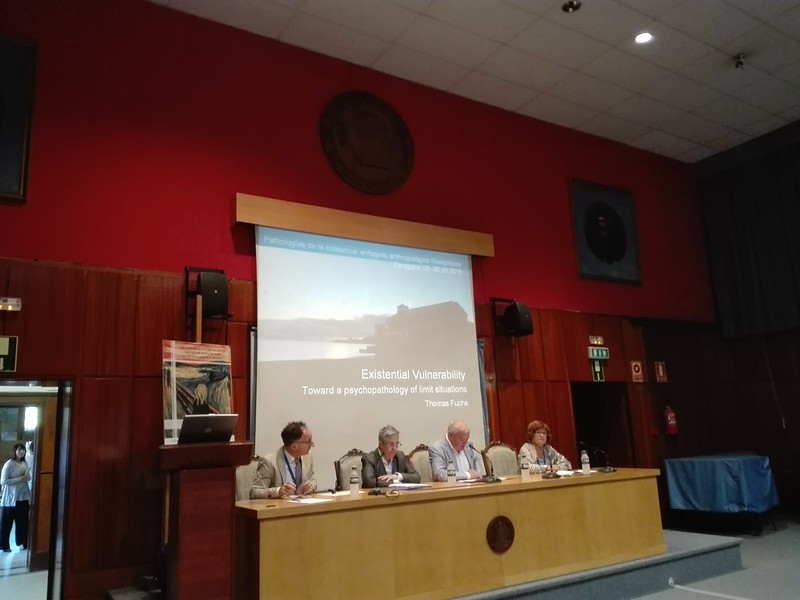
Patologías de la Existencia - Existential Vulnerability

Patologías de la Existencia - Existential Vulnerability

Buenos Aires (3)

Nathaniel Hawthorne


hawthorne 2
(From Hart and Leininger's Oxford Companion to American Literature)


HAWTHORNE, NATHANIEL (1804-64) was born at Salem, Mass., of a prominent Puritan family, which had spelled the name Hathorne and included a judge at the Salem witchcraft trials, who figures as the accursed founder of The House of the Seven Gables. Nathaniel's father, a sea captain, died of yellow fever in Dutch Guiana in 1808, leaving his widow to mourn him during a long life of eccentric seclusion, and this influenced her son's somber and solitary attitude. During his childhood, he read extensively in the poets and romancers, and spent an impressionable year at a remote Maine lake, after which he attended Bowdoin College, graduating in 1825. Returning to Salem, he began to write historical sketches and allegorical tales, dealing with moral conflicts in colonial New England.

In 1828 he published anonymously, at his own expense, an immature novel, *Fanshawe, whose hero resembles the author at this period. The work went practically unnoticed, but interested S. C. Goodrich, who then published many of Hawthorne's stories in *The Token. These were reprinted in *Twice-Told Tales (1837, enlarged 1842) and included *"The Maypole of Merrymount," *"Endicott and the Red Cross," *"The Minister's Black Veil," *"Mr. Higginbotham's Catastrophe," *"Dr. Heidegger's Experiment," *"The Grey Champion," *"The Ambitious Guest," and the "Legends of the Province House," containing *"Lady Eleanor's Mantle" and *"Howe's Masquerade." These tales, which the author said had "the pale tint of flowers that blossomed in too retired a shade," deal with the themes of guilt and secrecy, and intellectual and moral pride, and show Hawthorne's constant preoccupation with the effects of Puritanism in New England. In imaginative, allegorical fashion, he depicts the dramatic results of a Puritanism that was at the roots of the culture he knew, recognizing its decadence in his own time.

In 1836 he emerged from the seclusion at Salem to begin a career of hack writing and editing. For Goodrich he edited the monthly American Magazine of Useful and Entertaining Knowledge (1836), and later compiled the popular Peter Parley's Universal History (1837), as well as writing such books for children as Grandfather's Chair (1841), Famous Old People (1841), Liberty Tree  (1841), and Biographical Stories for Children (1842). Meanwhile he had also been employed in the Boston Custom House (1839-41), and now spent six or seven months at Brook Farm, where his sensitiveness and solitary habits, as well as his lack of enthusiasm for communal living, unfitted him for fruitful participation. He married Sophia Peabody, an ardent follower of the Concord school, but even this marriage, although it was a happy turning point in his life, did not bring Hawthorne to share the optimistic philosophy of Transcendentalism. Settling in Concord at the Old Manse, he continued his analysis of the Puritan mind in the tales that were collected in *Mosses from an Old Manse (1846), including *"Young Goodman Brown," *"The Celestial Rairoad"; *"Rappacini's Daughter," *"The Artist of the Beautiful," *"The Birthmark," and *"Roger Malvin's Burial."

As Surveyor of the Port of Salem (1846-49), he wrote little, but satirically observed his associates, as he described in the introduction to *The Scarlet Letter (1850). This novel, written after Hawthorne's dismissal from his post owing to a change of administrations, proved to be his greatest work, and indeed summed up in classic terms the Puritan dilemma that had so long occupied his imagination. Other books of this period include *The House of the Seven Gables (1851), another great romance, concerned with the decadence of Puritanism; *The Blithedale Romance (1852), in which he turned to the contemporary scene and his Brook Farm experiences; *The Snow-Image and Other Twice-Told Tales (1851), containing *"The Snow-Image," *"The Great Stone Face," and *"Ethan Brand"; and *A Wonder-Book (1852) and *Tanglewood Tales (1853), stories for children.

During these years, he lived for a time in the Berkshires, where he was friendly with his admirer, Melville. After he rote a campaign biography of his college friend Franklin Pierce (1852) he was rewarded with a consulship at Liverpool. His departure for Europe (1853) marks another turning point in his life. The ensuing years abroad were filled with sightseeing and keeping a journal, and, although his new cultural acquirements had little influence on his writing, they throw significant light on his character of mind. After his consular term (1853-57), he spent two years in Italy, returning to settle again in Concord (1860). *Our Old Home (1863), shrewd essays on his observations in England, and *The Marble Faun (1860), a romance set in Italy, were results of his European residence.

His last years, during which he continued to contribute to the Atlantic Monthly, were marked by declining creative powers. His attempts to write a romance based on the themes of an elixir of life and an American claimant to an English estate resulted only in four posthumous fragments: *Septimius Felton (1872); *The Dolliver Romance (1876); *Dr. Grimshawe's Secret (1883) and The Ancestral Footstep (1883). Other posthumous publications include Passages from the American Notebooks (1868), Passages from the English Notebooks (1870) and Passages from the French and Italian Notebooks (1871), all edited by his wife. The English Notebooks were newly edited from original manuscripts (1942) by Randall Stewart.

Hawthorne had long been recognized as a classic interpreter of the spiritual history of New England, and in many of his short works , as well as in The Scarlet Letter and The House of the Seven Gables, he wrote masterpieces of romantic fiction. Like Poe, but with an emphasis on moral significance, he was a leader in the development of the short story as a distinctive American genre. The philosophic attitude implicit in his writing is generally pessimistic, growing out of the Puritan background, although his use of the supernatural has an aesthetic rather than a religious foundation, for he presented New England's early Puritanism and its decay in terms of romantic fiction. Emphasis on allegory and symbolism causes his characters to be recalled as the embodiment of psychological traits or moral concepts more than as living figures.


hawthorne


—oOo—

Fanshawe, romance by Hawthorne, published anonymously in 1828. It was probably written during the author's college years, and the background resembles Bowdoin.

Ellen Langton comes to live with a friend of her father, Dr. Melmouth, orthodox minister and head of Harley College. Her principal suitors are Edward Walcott, a normal young gentleman, and Fanshawe, a scholarly ascetic who now begins to lead a more worldly life, though he realizes that he can never have much in common with Ellen. The three are walking one day in the woods when an enemy of Ellen's father attempts to kidnap her. Fanshawe rescues her, and the kidnapper is killed in a fall from a precipice. Mr. Langton arrives, but Fanshawe refuses his offer of money. When Ellen offers to marry him, Fanshawe refuses because of their incompatibility. He goes away, devotes himself to his studies, and soon dies. A few years later, Ellen and Edward marry.

The Token, (1827-42), Boston gift book, published by S. G. Goodrich. It was the first medium to give Hawthorne's work wide circulation, and the Twice-Told Tales were mostly reprinted from The Token.  Among other prose contributors were Timothy Flint, Lydia Child, Edward Everett, Longfellow, James Hall, Sarah J. Hale, and Harriet Beecher Stowe. lThe level of its poetry is indicated by the prominent representation of Goodrich and Lydia Huntley Sigourney, although Holmes, Longfellow and Lowell contributed occasionally. N. P. Willis edited the 1829 issue.

Twice-Told Tales, 39 stories by Hawthorne, printed in The Token, collected (1837) and enlarged (1842). Among the tales, many of them marked by the author's interest in the supernatural, are sketches of New England history, like *"The Grey Champion," *"Endicott and the Red Cross," *"The Maypole of Merrymount," and the four "Legends of the Province House," which include *"Howe's Masquerade" and *"Lady Eleanor's Mantle"; stories of incident, like *"Mr. Higginbotham's Catastrophe." and moral allegories, like *"The Minister's Black Veil," *"Dr. Heidegger's Experiment," and *"The Ambitious Guest."

The Maypole of Merrymount, allegorical tale by Hawthorne, publishedd in 1836 and collected in Twice-Told Tales (1837). It is based on historical accounts of the Anglican settlement at *Merry Mount.

Among the revelers about the Maypole at Merrymount are a handsome youth and a beautiful maiden, who, at the height of the festivities, are married by a jolly Anglican priest. At this moment the proceedings are interrupted by a raid of Endecott and his Puritan followers. The latter are dissuaded from punishing the pair when each pleads for the other, and they join the Puritan colony, becoming sober and respectable citizens.

Endicott and the Red Cross, story by Hawthorne, published in Twice-Told Tales (1837). It is a brief account of the rebellious gesture of the Puritan governor John Endecott, who, when Charles I decided to send an Anglican governor to [New] England, tore the Red Cross from the British ensign, because he wished to demonstrate the dislike of the Massachusetts Bay colonists for "the idolatrous forms of English episcopacy." A passage in the tale describes the punishment of an adulteress, later the theme of The Scarlet Letter.

The Minister's Black Veil, parable by Hawthorne, published in The Token (1836) and in Twice-Told Tales (1837).

The Rev. Mr. Hooper, a New England Puritan minister, appears one sunday with his face covered by a black veil. Refusing to explain his action to his terrified congregation, or to his fiancée, who leaves him, he goes through life concealing his face, saying only that the veil is a symbol of the curtain that hides every man's heart and makes him a stranger even to his friend, his lover, and his God.

Mr. Higginbotham's Catastrophe, story by Hawthorne, published in The Token (1934) and in Twice-Told Tales (1837).

Dominicus Pike, an itinerant tobacco peddler, is informed of the hanging of wealthy old Mr. Higginbotham of Kimballton. He spreads the rumor as he travels, only to have it denied by persons who have seen the old man since his supposed death. Hearing again of the hanging, and being contradicted by Higginbotham's niece, he goes to Kimballton and arrives just in time to save her uncle from actual murder. It is revealed that the murder was planned by three men, two of whom successively lost courage and fled, spreading the rumor. Dominicus is rewarded by becoming Higginbotham's heir, as well as marrying the niece.

Dr. Heidegger's Experiment,  allegorical tale by Hawthorne, published in Twice-Told Tales (1837).

The doctor, an aged physician and scientist, invites four of his vernerable, eccentric acquaintances to take part in a test of some water from the Fountain of Youth. Medbourne, an impoverished former merchant, Gascoigne, a ruined politician, Colonel Killigrew, a goaty old wastrel, and the Widow Wycherly, a faded beauty, see the doctor restore a dried rose by applying the water, and are eager to try it. Dr. Heidegger declares he merely wishes to see the results, and does not drink, but serves his guests full glasses. They become increasingly younger until they reach gay and reckless youth, when the three then vie for the favors of the Widow. They accident tally upset the table, and spill the water. Then the doctor notices that his rose has faded again, and gradually his guests resume their aged appearance. He says that he has learned from the experiment not to desire the delirium of youth, but his frieds resolve to make a pilgrimage to Florida in search of the Fountain.

The Grey Champion, historical sketch by Hawthorne, published in Twice-Told Tales (1837). It is concerned with the appearance of the regicide Goffe in Boston, at a time when rebellion threatened the colony. In his intimidation of Andros, Goffe is presented as "the grey champion" of the spirits of independence and colonial rights.
Goffe, William (c. 1605-79), English Puritan, signer of the death warrant of Charles I. During the Restoration he fled to America, where he lived mainly in seclusion at Hadley, Mass. He is said to have been instrumental in repelling an Indian attack during King Philip's War. He figures in Cooper's The Wept of Wish-ton-Wish, Barker's Superstition, Paulding's The Puritan and His Daughter, Hawthorne's "The Grey Champion," McHenry's The Spectre of the Forest, and Delia Bacon's Tales of the Puritans, as well as in Scott's Peveril of the Peak. A factual account of Goffe is contained in Ezra Stiles's History of the Judges of Charles I (1794). His father-in-law and fellow regicide, Edward Whalley, accompanied Goffe to America.
The Ambitious Guest, allegorical tale by Hawthorne, published in The Token (1835) and in Twice-Told Tales (1837).

A solitary youth stops for the night at a lonely cottage in the Notch of the White Mountains in New Hampshire. He tells of his hopes of fame and fortune, and each member of his host's family is moved to divulge his intimate desires. The head of the house would like "to be called Squire, and sent to General Court for a term or two"; the youngest child would like to go at once on an excursion to "take a drink out of the basin of the Flume"; his older sister hardly conceals her growing interest in the young stranger, and even the grandmother speaks of her wish to look well in her coffin. While they talk, a great landslide begins, which buries the whole company.

Lady Eleanor's Mantle, allegorical tale by Hawthorne, published in 1838 and reprinted in Twice-Told Tales (1842).

Lady Eleanore Rochcliffe comes to live at the Boston Province House, in the family of her guardian, Colonel Shute. Her haughty beauty distracts Jervase Helwyse, whose love she scorns, and affects all who see her. The curious mantle she wears is said to have supernatural powers and to have some influence in the epidemic of smallpox that soon breaks out, striking first the aristocratic circle of Lady Eleanore, and then the common people she despises. At last she herself is stricken, and as she is dying confesses, "I wrapped myself in Pride as in a Mantle, and scorned the sympathies of nature; and therefore has nature made this wretched body the medium of a dreadful sympathy." Helwyne takes her mantle, which is burned by a mob, an the pestilence begins to subside.

Howe's Masquerade, story by Hawthorne, published in Twice-Told Tales (1842).

At the Boston tavern, the Old Province House, once headquarters of the royal governors, the proprietor tells a visitor this legend. When Governor Howe gave an entertainment, the night before the patriots' victory in the siege of Boston, the guests were costumed as figures of history and fiction, with comic individuals in rags representing Washington and his generals. Late in the evening, a funeral march was heard, and a solemn procession of ancient figures passed through the ballroom. Colonel Joliffe, an aged patriot detained during the siege, was present with his granddaughter, and identified the apparitions as early Puritan governors, "summoned to form the funeral procession of royal authority in New England." According to legend, the procession reappears on each anniversary of the occasion.

Mosses from an Old Manse, tales and sketches written by Hawthorne during his residence (1842-46) at the Old Manse in Concord. They were published in two volumes (1846), with an introductory essay, "The Old Manse," followed by 25 short stories and historical sketches. Among them are historical pieces, like *"Roger Malvin's Burial"; satirical allegories, like *"The Celestial Railroad"; and allegorical tales of the supernatural, like *"Young Goodman Brown," *"Rappacini's Daughter," *"The Birthmark," and *"The Artist of the Beautiful."

Young Goodman Brown, allegorical tale by Hawthorne, published in The New England Magazine (1835) and in Mosses from an Old Manse (1846).

Goodman Brown, a Puritan of early Salem, leaves his young wife Faith, who pleads with him to to go, to attend a witches' sabbath in the woods. Among the congregation are many prominent people of the village and church. At the climax of the ceremonies, he and a young woman are about to be confirmed into the group, but he finds she is Faith, and cries to her to "look up to heaven, and resist the wicked one." Immediately he is alone in the forest, and all the fearful, flaming spectacle has disappeared. He returns to his home, but lives a dismal, gloomy life, dommed to skeptical doubt of all about him, and never able to believe in goodness or piety.

The Celestial Railroad, allegorical tale by Hawthorne, published in 1843 and collected in Mosses from an Old Manse (1846).

The narrator travels the way of Christian in Pilgrim's Progress, from the City of Destruction to the Celestial City. Instead of going afoot, he finds that modern achievement has made possible an easy, convenient Celestial Railroad, on which he rides in the company of affable, bluff Mr. Smooth-it-away, who scoffs at the difficult path of old-fashioned pilgrims. The ancient landmarks and institutions are all changed, and on arriving at the end of the line, the passengers expect to cross the river by steam ferryboat. But here Mr. Smooth-it-away deserts them, laughing and showing his identity by breathing smoke and flame. About to drown, the narrator suddenly awakens to "thank Heaven it was a Dream!"

Rappacini's Daughter, allegorical tale by Hawthorne, published in 1844 anbd reprinted in Mosses from an Old Manse (1846).

Giovanni Guaconti comes to study at the University of Padua and lodges next door to the house of Giacomo Rappacini, a doctor. In the latter's garden he sees and falls in love with Rappacini's daughter Beatrice, whose beauty strangely resembles that of her father's poisonous flowers. Pietro Baglioni, a friendly professor, warns Giovanni that Rappacini's love of science has led him beyond moral or humane considerations, and that the girls nature seems a product of his sinister art, but the yhoung man is undeterred. Under the scientific regard of her father, the affection of the two grows deeper, and Giovanni himself becomes tainted by the poisonous breath of the garden. Then he gives Beatrice a potion that Baglioni has supplied him as an antidote to all poisons. She drinks it, but "as poison had been life, so the powerful antidote was death; and thus the poor victim of man's ingenuity and of thwarted nature . . . perished there, at the feet of her father and Giovanni."

The Artist of the Beautiful, allegorical tale by Hawthorne, published in the Democratic Review (1844) and in Mosses from an Old Manse (1846).

Owen Warland, a youthful watchmaker, obsessed with a desire to create something ideally beautiful, loves Annie Hovenden, daughter of his former master. She is unsympathetic towards his aspirations and his delicate nature, and Peter Hovenden and the blacksmith, Robert Danforth, both rough and unimaginative, oppress Owen and destroy his inspiration. Annie marries Danforth, and for a time Owen forsakes his dreams for grosser practical activities, but then devotes himself to creating a mechanical butterfly, fragile, lovely, and endowed with living qualities. Whan he exhibits his work to Annie and her family, Danforth and Hovenden seem to oppress the insect as they do its creator, while Annie prefers to admire her child. The child, who resembles his grandfather, rudely crushes the butterfly, but Owen looks on calmly; "he had caught a far other butterfly than this."

The Birthmark, allegorical tale by Hawthorne, published in Mosses from an Old Manse (1846).

Aylmer, a scientist, marries Georgiana, a beautiful woman whose single physical flaw is a tiny crimson birthmark on her left cheek, resembling a hand. The mark repels Aylmer, who determines to use his scientific knowledge to remove it. Assisted by his rude, earthly servant, Aminadab, he unsuccessfully tries every known method, finally using a powerful potion which, although it causes the birthmark to fade, causes her death also. Aminadab laughs, and the author concludes:

Thus ever does the gross fatality of earth exult in its invariable triumph over the immortal essence which, in this dim sphere of half-development, demands the completeness of a higher state.

Roger Malvin's Burial, story by Hawthorne, published in The Token (1832) and in Mosses from an Old Manse (1846).

Two wounded survivors of a foray against Indians, led by John Lovewell, make their escape through the Maine woods. Roger Malvin, an old man mortally injured, urges his young companion, Reuben Bourne, to desert him, and seek safety. Reuben protests, but is finally persuaded and promises to send help. He makes his way home, but cannot bring himself to tell Dorcas Malvin of the circumstances in which he left her father. He claims to have buried him in the forest, is hailed as a hero, and soon married Dorcas. Their life is not happy, for his conscience disturbs him, and when their son Cyrus is 15, they leave the settlement to seek a new home in the wilderness. One evening Reuben accidentally shoots his son while hunting, and is horrified to discover the boy's body at the same spot where he left Malvin, years before. Dorcas discovers her son's death, and falls unconscious. The upper branch of an oak, where Reuben hung a bloody handkerchief as a signal, has withered and now crumbles and drops, while Reuben prays, feeling that at last his crime is expiated and the curse lifted.

The Scalet Letter, romance by Hawthorne, published in 1850. Based on a theme that appears in "Endicott and the Red Cross," this somber romance of conscience and the tragic consequences of concealed guilt is set in Puritan Boston during the mid-17th century. An introductory essay describes the author's experiences as an official of the Salem Custom House and his supposed discovery of a scarlet cloth letter and documents relating the story of Hester.

An aged English scholar sends his young wife, Hester Prynne, to establish their home in Boston. When he arrives two years later, he finds Hester on the pillory with her illegitimate child in her arms. She refuses to name her lover and is sentenced to wear a scarlet A, signifying Adulteress, as a token of her sin. The husband conceals his identity, assumes the name Roger Chillingworth, and in the guise of a doctor seeks to discover her paramour. Hester, a woman of strong independent nature, in her ostracism becomes sympathetic with other unfortunates, and her works of mercy gradually win her the respect of her neighbors. Chillingworth meanwhile discovers that the Rev. Arthur Dimmesdale, a revered, seemingly saintly young minister, is the father of Hester's beautiful, mischevious child, Pearl. Dimmesdale has struggled for years with his burden of hidden guilt, but, though he does secret penance, pride prevents him from confessing publicly, and he continues to be tortured by his conscience. Chillingworth's life is ruined by his preoccupation with his cruel search, and he becomes a morally degraded monomaniac. Hester wishes her lover to flee with her to Europe, but he refuses the plan as a temptation from the Evil One, and makes a public confession on the pillory in which Hester had once been placed. He dies there in her arms, a man broken by his concealed guilt, but Hester lives on, triumphant over her sin because she openly confessed it, to devote herself to ensuring a happy life in Europe for Pearl and helping others in misfortune.

The House of the Seven Gables, romance by Hawthorne, published in 1851. It is based on the tradition of a curse pronounced on the author's family when his great-grandfather was a judge in the Salem witchcraft trials.

In Salem stands the ancestral home of the Pyncheons, cursed by Wizard Maule when the first Colonel Pyncheon despoiled him of his wealth. In the mid-19th century, the house is owned by hypocritical Judge Jaffrey Pyncheon, whose studied benevolence makes him an honored citizen. He does not live in the dilapidated mansion, whose occupants are his poor cousin Hepzibah, reduced to operating a cent-shop; a country relative, Phoebe; a single lodger, the young daguerreotypist Holgrave, who falls in love with Phoebe; and Hepzibah's brother Clifford, ill and feeble-minded, just released from prison after a term of 30 years for the supposed murder of a rich uncle. Jaffrey, who had obtained Clifford's arrest, now harasses him in an attempt to find the missing deeds to their rich uncle's property, and threatens to have Clifford confined in an insane asylum. Hepzibah attempts to aid her brother and circumvent the judge, but the latter's sudden death frees them and makes them his heirs. Holgrave reveals that he is actually the last of the Maules, and that the judge, like the rich uncle, died by the curse on the house. Revealing the location of the missing deeds, he marries Phoebe, leaving the House of the Seven Gables, freed of its curse, to Hepzibah and Clifford.

The Snow-Image and Other Twice-Told Tales, 17 short stories by Hawthorne, published in 1851. The volume includes historical sketches, tales of the supernatural, and such allegorical stories as *"Ethan Brand," *"My Kinsman, Major Molyneux," and *"The Great Stone Face."

"The Snow-Image: A Childish Miracle" is an allegory in which Peony and Violet Lindsey, gay, fanciful children, build an image of snow, encouraged by their mother, who tells them it will be their snow-sister and playfellow. In their enthusiasm they are hardly surprised when the image comes to life as a beautiful child in a flimsy white dress, who plays with them in the garden. When the children's father, a matter-of-fact merchant, comes home, he disregards their remonstrances and takes the snow-child into the house, intending to clothe her, feed her, and take her to her own home. But the child vanishes, and only a pool of water remains before the stove. The author concludes that "should some phenomenon of nature or providence transcend" the system of men of Lindsey's stamp,, "They will not recognize it even if it come to pass under their very noses. What has been established as an element of good to one being may prove absolute mischief for another."

The Great Stone Face, allegorical tale by Hawthorne, published in The Snow-Image and Other Twice-Told Tales (1831). "Old Stony Phiz" is said to represent Webster.

In a mountain valley dominated by a towering rock formation that resembles a noble, majestic face lives the boy Ernest, who learns from his mother the legend that some day a great man bearing the features of the Face will visit the community. He eagerly awaits the coming of this man, but, though he grows to old age and sees Mr. Gathergold the banker, Old Blood-and-Thunder the general, and Old Stony Phiz the statesman, all reputed to resemble the face, his expectations are disappointed. He has meanwhile lived an honest, helpful life, communing with the spirit of the landmark, and has come to be honored and revered. A poet visits him, in whom again Erenst hopes to see the features of the image but fails. At an outdoor meeting where Ernest preaches, the poet sees that it is Ernest himself who resembles the Stone Face. The simple, venerable old man, unconscious of this, continues to await his hero.

Ethan Brand: A Chapter from an Abortive Romance, story by Hawthorne, published in The Snow-Image (1851).

Ethan Brand, formerly a lime-burner, has sought the Unpardonable Sin, and now returns to his New England home, announcing that he has found it in his own soul, in intellectual pride and in the separation of mind and heart. The townspeople do not understand him and consider him mad. He takes the place of his successor at the limekiln, and during the night lies down to perish in the furnace. When the other lime-burner returns in the morning, he finds the lime all burnt wnow-white, and on its surface a human skeleton within whose ribs is a piece of marble in the shape of a heart.

A Wonder-Book, tales for children adapted from Greek myths by Hawthorne, published in 1852. Tanglewood Tales (1853) is a similar collection.

Our Old Home, sketches by Hawthorne, published in 1863, describing his observations and experiences during his residence in England.

The Marble Faun, romance by Hawthorne, published in 1860. It was issued in England as Transformation.

Kenyon, an American sculptor, Hilda, a New England girl, and the mysterious Miriam are friends among the art students in Rome. They become acquainted with Donatello, Count of Monte Beni, a handsome Italian who resembles the Faun of Praxiteles, not only physically, but laso in his mingling of human and animal qualities, his amoral attitude, and his simple enjoyment of the life of the senses. The dark, passionate Miriam is loved by Donatello, but she is haunted by an unrevealed sin and by the persecution of a mysteriuos man who dogs her footsteps after an accidental meeting in the Catacombs. Donatello is enraged by this man, and after an encouraging lance from Miriam flings him to his death from the Tarpeian Rock. Thereafter they are linked by their mutual guilt, which they keep secret. Donatello becoems brooding and conscience-stricken, and, though humanized by his suffering, is a broken spirit when he finally gives himself up to justice. Hilda, who saw the crime committed, is also involved in the sin until she forsakes Puritan tradition and pours out her secret at a church confessional. The unhappy Miriam disappears into the shadowy world from which she came, and Hilda and Kenyon are married.


Septimius Felton; or, The Elixir of Life, unfinished romance by Hawthorne, posthumously published in 1872.

During the Revolutionary War, Septimius Felton, a scholar who seeks a method of attaining earthly immortality, kills a British officer who has insulted his fiancée, Rose Garfield. On the hill top where he has buried the officer, he meets Sybil Dacy, a strange, unearthly creature, who is looking for a flower she expects to grow from the grave, and they become close friends. Before he died, the officer gave Septimius an old manuscript, containing the formula for an elixir of life, requiring the juice of the flower Sybil seeks. A Dr. Portsoaken, her uncle, vistis Septimius and reveals that the scholar my be the heir to a British estate. Robert Hagburn, an American soldier and friend of Septimius, becomes engaged to Rose, after it is discovered that she is the scholar's half-sister. At the wedding of Robert and Rose, Sybil discloses to Septimius, who is about to drink the potion he has finally concocted, that the officer he killed was her lover, and that she has intended to seek revenge, but now loves Septimius. She drinks part of the potion, throws away the rest, and dies. Septimius disappears, and is believed to have gone to claim his English estate.


The Dolliver Romance, unfinished novel by Hawthorne, posthumously published in the Atlantic Monthly (1864, 1871) and in book form in 1876. The author's last work, it was an attempt to develop the theme of the elixir of life also essayed in Septimius Felton.

In a New England town lives an aged apothecary, with the sole remaining member of his family, his great-granddaughter Pansie. One day he tries a cordial presented to him by a stranger seven years before, and when the potion rejuvenates him he takes further doses. Colonel Dabney, an impetuous, sensual old man, comes to demand the cordial, which he says is rightfully his. When he threatens the apothecary with a pistol, he is given the drink. Swallowing a large amount of it, he rises to his feet, shrieks, and falls dead. The apothecary sees that for a moment the colonel's face becomes that of a young man, but then it is aged and withered in death. An inquest pronounces the death to have occurred "by the visitation of God."


Dr. Grimshawe's Secret, romance by Hawthorne, posthumously edited from an unfinished manuscript by his son Julian and published in 1883.

In a New England town in the early 19th century lives Dr. Grimshawe, an eccentric recluse, and two orphans, Ned and Elsie. The children are involved in a secret related to an estate in England, whence the doctor originally came. This estate has lacked a direct heir since the rign of Charles I, when the incumbent disappeared, leaving a bloody footprint on the threshold. After their guardian's death, the children are separated, but meet again years later in England. Ned, now Edward Redclyffe, is injured while investigating the estate and is befriended by Colcord, his boyhood tutor. Lord Braithwaite, the estate's present owner, invites Edward to live at the Hall, and recognizes him as the Sir Edward Redclyffe of the time of the bloody footprint. When the old man dies, colcord produces a locket that proves Edward to be the heir.


—oOo—


Justice with Judge Jeanine - interview with Donald Trump


—on the dishonesty of the American media:


—oOo—

Nana Mouskouri: Je me souviens (1968)

A Single Man: De te fabula

Lectura crítica de la novela de Christopher Isherwood A Single Man ('Un soltero' o 'Un solo hombre'), centrándonos en la representación de la homosexualidad y la soledad del protagonista, y en la posible distancia irónica entre su papel como 'centro de consciencia' y la perspectiva crítica ofrecida por el autor implícito sobre su tragedia personal. 

Texto completo:


English abstract: A critical reading of Christopher Isherwood's novel A Single Man (1964), focusing on the representation of the protagonist's homosexuality and solitude, and on the possible ironic distance between his role as a 'center of consciousness' and the implied author's critical perspective on his personal tragedy.


También aquí:

_____. "A Single Man." In García Landa, Vanity Fea 5 May 2011.*

         http://vanityfea.blogspot.com/2011/05/single-man.html

         2011

_____.  "A Single Man: De te fabula." Ibercampus (Vanity Fea) 14 Dec. 2016.*

         http://www.ibercampus.es/a-single-man-34119.htm

         2016

_____ "A Single Man: De te fabula." Social Science Research Network 16 Dec. 2016.*

         https://ssrn.com/abstract=2886287

         2016

_____. "A Single Man: De te fabula." In García Landa, Vanity Fea 10 Jan. 2017.*

         http://vanityfea.blogspot.com.es/2017/01/a-single-man-de-te-fabula.html

         2017

_____. "A Single Man: De te fabula." Academia 22 July 2017.*

         https://www.academia.edu/33995375/

         2017

_____. "A Single Man: De te fabula." ResearchGate 23 July 2017.*

         https://www.researchgate.net/publication/318645820

         2017

_____. "A Single Man: De te fabula." Net Sight de José Angel García Landa 4 Jan. 2023.*

         https://personal.unizar.es/garciala/publicaciones/asingleman.pdf

         2024


—oOo—

La metástasis del nacionalismo


J
Jiménez Losantos, Federico. "Federico a las 8: La metástasis del nacionalismo." EsRadio 10 Jan. 2017.*
         2017

—oOo—

Retropost #1304 (10 de enero de 2007): Situaciones ridículas


Circular enviada hoy al Departamento de Filología Inglesa y Alemana de la Universidad de Zaragoza: 
Estimados compañeros:

Ha sido anulado, por ser contrario a derecho, el programa de Doctorado en Estudios Ingleses que aprobó nuestro Departamento con el voto explícito en contra de unos pocos profesores.

Es alarmante que el Consejo de Departamento aprobase este doctorado, con unos criterios que según se expuso con todo detalle en el mismo Consejo, eran a todas luces contrarios a derecho. En todo caso habrá ahora de rectificarse lo aprobado. En efecto, el Rector ha resuelto, cito:
"Estimar el recurso de alzada interpuesto por Don José Angel García Landa, Dª Micaela Muñoz Calvo y Dª Beatriz Penas Ibáñez y, en consecuencia, anular el Acuerdo del Consejo de Departamento de Filología Inglesa y Alemana de 2 de octubre de 2006 en el punto relativo a la aprobación de la Memoria del Programa de Posgrado "Doctor en Estudios Ingleses" señalando que el Departamento no es órgano competente para establecer los requisitos que deben poseer los profesores susceptibles de dirigir tesis doctorales dentro de dicho programa.

Ordenar al Departamento de Filología Inglesa y Alemana que ajuste su actuación, en esta materia, a lo establecido por la Comisión de Doctorado de la Universidad de Zaragoza y a la normativa vigente."

La respuesta del Rector al recurso reafirma que "los Departamentos no son órganos competentes para establecer los requisitos de acreditación de aquellos de entre sus profesores que puedan dirigir tesis doctorales ya que tales atribuciones han sido conferidas a la Comisión de Doctorado". Con respecto a los requisitos que habían establecido los coordinadores del postgrado (y aceptado el Departamento de Filología Inglesa y Alemana), resuelve el Rector que "a todas luces, exceden de los fijados por la Comisión de Doctorado amén de introducir toda una serie de elementos de carácter discrecional que pugnan con la consideración de que la acreditación para la dirección de tesis doctorales ha de ser un procedimiento reglado, de acuerdo con criterios públicos y objetivos. / Por todo lo cual, cabe reputarlos como no conformes a derecho tanto por haber sido establecidos por un órgano que no es el competente como por deviarse de los establecidos por el órgano que sí es competente".

Decisión justa y acertada, que se refiere al punto central del recurso, a saber, la dirección de Tesis doctorales. Ahora bien, los criterios abusivos que denunciamos los recurrentes no se aplicaban únicamente al Tercer Ciclo (cuya aprobación se ha anulado ahora). Son idénticos, para mayor absurdo, en segundo ciclo, y están actualmente vigentes en el Máster oficial de Filología Inglesa ("Estudios Textuales y Culturales en Lengua Inglesa"). Siendo contrarios a derecho para el tercer ciclo, malamente puede creerse que son ajustados a derecho para el máster de segundo ciclo. De hecho, el Departamento tiene otros criterios para la asignación de docencia en estudios oficiales, con lo que existe un doble criterio o doble rasero en estos momentos, amén de una paradoja administrativa.

Sería deseable que los Coordinadores del postgrado estuviesen más atentos a la normativa universitaria y menos a los intereses particulares de sus equipos a la hora de organizar los estudios. Y sería desde luego deseable que los miembros del Consejo estuviesen más atentos a la hora de asistir a las reuniones y votar en ellas conforme a derecho, pues así se evitarían situaciones ridículas como ésta.

Un saludo muy cordial,

JOSE ANGEL GARCIA LANDA
Departamento de Filología Inglesa y Alemana
PS: La directora del postgrado, Susana Onega, hace circular este mensaje en respuesta al anterior y al enviado a la lista del Colectivo de Profesores:
Estimados compañeros:

En vista de los mensajes enviados por el Dr. García Landa sobre la resolución emitida por el Rector recientemente, considero necesario hacer las siguientes aclaraciones y puntualizaciones:

Como sabeis, en nuestro departamento hay desde hace ya muchos años dos programas de doctorado, uno de literatura y cultura y el otro de lengua y lingüística. El primero, coordinado por mí, tiene mención de calidad desde la primera convocatoria. Hace dos años propusimos un máster de investigación con el mismo perfil que el doctorado, y se nos concedió, por lo que lo estamos impartiendo ahora. En la memoria poníamos como requisito para ser responsable de los cursos de este máster con mención de calidad el tener dos sexenios de investigación (o, si no, ser invitado a dar parte del curso por el responsable), tener un proyecto vivo y pertenecer a un grupo de investigación reconocido. Estos mismos criterios son los que el Consejo de departamento aprobó un año después para la memoria de la transformación del doctorado de calidad antiguo a un doctorado equivalente de acuerdo a la nueva normativa, dentro del mismo programa de postgrado que el máster y como continuación al mismo. En este doctorado no se dan cursos, ya que la parte formativa se realiza en el máster. Sólo tiene la parte investigadora, que incluye la asistencia de los alumnos de doctorado a las reuniones periódicas de los equipos de investigación a los que pertenecen los directores de tesis y la impartición de seminarios y otras actividades por parte de los profesores invitados de otras universidades. Por eso es por lo que el requisito de pertenecer a un equipo y tener un proyecto en curso es imprescindible. Aunque ponemos el requisito de los dos sexenios, también decimos que, excepcionalmente, podrán dirigir tesis doctores los profesores con uno solo siempre que participen en un equipo y no puedan tener dos por su edad académica. José Angel García Landa puso un recurso porque él no reúne los requisitos de pertenecer a un equipo de investigación ni tiene proyecto vivo (se salió del que yo dirijo por voluntad propia antes de lo de la cátedra y no ha conseguido que le aprueben ningún proyecto en el Ministerio desde entonces), junto con su mujer Beatriz Penas y Micaela Muñoz. Como sabeis, estas dos profesoras ni siquiera tienen perfil de literatura y cultura e imparten docencia en el otro doctorado del Departamento.
La razón por la que pusimos estos requisitos es porque hace dos años, al hacer la validación de la mención de calidad, estuvimos a punto de perderla porque tuvimos que dividir las publicaciones y las tesis dirigidas de 13 profesores entre 17 que se habían apuntado al doctorado de calidad ya que algunos no habían publicado nada ni dirigido ninguna tesis en los últimos 3 años o más. Así que no se trata de defender camarillas, como falazmente sugiere J.A.Gª Landa, sino de defender la calidad alcanzada por el programa de doctorado, como se nos viene reconociendo repetidamente en diversas instancias, excepto por una minoría de miembros del departamento que parece dedicar todas sus energías a torpedear las iniciativas que hacen los demás, tendentes a mejorar la calidad de la docencia y la investigación del departamento, como creo que todos sabéis perfectamente
La resolución del recurso sólo dice que los departamentos no son competentes para poner requisitos sobre quien dirige tesis, porque ya está la Comisión de doctorado para hacerlo. Sin embargo, esta Comisión sólo habla de mínimos y no contempla nunca los doctorados de calidad. En todo caso, la deducción que hace J.A. Gª Landa de que nos han echado atrás el doctorado es falaz, ya que el Rector sólo nos pide que suprimamos ese requisito y cambiemos ese punto concreto de la memoria.
Aunque las razones que nos han llevado a realizar la conversión del actual doctorado de calidad a un nuevo programa de postgrado, compuesto de un máster y un doctorado han sido ya explicadas varias veces, quedo a vuestra disposición para responder a cualquier pregunta que me queráis hacer.
Saludos afectuosos, Susana Onega


Respondo...

Estimados compañeros:

Con respecto al comunicado de la Dra. Onega, sólo puntualizaré que, como se ve claramente en la respuesta del Rector al recurso, respuesta que ponemos a vuestra disposición, la aprobación del Doctorado en Estudios Ingleses ha sido, en efecto, anulada. Cito:
HE RESUELTO
Estimar el recurso de alzada interpuesto por Don José Ángel García Landa, Dª Micaela Muñoz Calvo y Dª Beatriz Penas Ibáñez y, en consecuencia, anular el Acuerdo del Consejo de Departamento de Filología Inglesa y Alemana de 2 de octubre de 2006 en el punto relativo a la aprobación de la Memoria del Programa de Posgrado "Doctor en Estudios Ingleses" (...)
Ha sido anulada la aprobación de esta memoria (que llevó a cabo el Departamento) por sus criterios contrarios a derecho—no a juicio mío, sino a juicio del Rectorado. Vemos que la Dra. Onega sigue defendiendo una actuación que ha sido considerada contraria a derecho. Si la Dra. Onega no está de acuerdo con la decisión del Rectorado, puede recurrirla, cosa que no hará. Se puede entender que la Dra. Onega desee que las leyes fuesen otras, más a su medida, pero no lo son.


(Más comentarios merecería el jugoso escrito de la Dra. Onega. Podría comentar, por ejemplo, con detalle, que me fui de su equipo, sí, pero no sin antes dejarle redactada íntegramente la solicitud y planteamiento de su siguiente proyecto de investigación financiado, ese de "La dialéctica prefiguración-retrospección en la narrativa contemporánea en lengua inglesa". A mí no me lo hubieran concedido, claro.

Pero disfruten mejor de esta perla: aquí se dice que yo no tengo un "proyecto vivo". Quiere decir "financiado por el Ministerio". La vida es financiación por parte del Ministerio...).


—oOo—

lunes, 9 de enero de 2017

Nana Mouskouri - Ballades (1982)

Cada ex-día trae su afán


Se me pasaron las ganas de expresarme y de comunicarme, y de autocomunicarme. Ya he dejado de escribir diarios y blogs. Y sin embargo todavía se me acumula el trabajo aquí, intentando recuperar el tiempo pasado y perdido. Aparte de este blog que va "al día" (en su doble existencia de "Blog de notas" y "Vanity Fea") está la vieja versión de Vanity Fea, con la que empecé en Blogia y dejé hace años cuando el sitio se quedó desfasado y lento de respuesta. Luego la retomé, y he optado por colgar ahí mis blog con un año de desfase. Esto te da perspectiva sobre tí mismo, pero aún más la dan los retroposts que son ya el contenido mayoritario de lo que aquí pongo. Resultan de una lenta migración a Blogger de ese blog que abrí hace once años en Blogia—por no agobiarme, voy día por día, con lo cual, en este caso retomo lo que escribí hace diez años. Vamos hoy por el nueve de enero de 2007—es lo más próximo que he hallado a volver a andar los viejos caminos por donde se dice que no podemos volver a pasar, por mucho que nos esforcemos.

Pero es que al abrir mi sitio web expandido en 2004 (unos diez años después de meterme en redes y en ediciones electrónicas) empecé a colgar allí mis viejos escritos, también poco a poco, por no agobiarme.... y aún sigo en ello. Porque claro, sufriendo del síndrome de Tristram Shandy, resulta que mientras recupero el remoto tiempo pasado, el presente no se detiene, y sigue creciendo, él y el pasado reciente... porque primero colgaba mis escritos sólo en mi web universitaria, pero luego proliferaron los repositorios y portales, y no pudiéndose uno resistir, hubo que triplicar y cuadruplicar el esfuerzo, en Academia o en ResearchGate. Con lo cual aún sigo con el autocolgamiento éste que empecé en 2004, y es un trabajo, no crean: no lleva señales de terminar este año, aunque vaya a artículo por día. Y en estas cosas se me va el rato, cuando no estoy twitteando ni haciendo bibliografías, ni colgando fotos. Por cierto que en las fotos también llevo desfase, me cuesta alcanzarme a mí mismo, y para entonces ya estoy más allá, como la tortuga.

El artículo que toca subir hoy a los repositorios: Tiempo congelado: Vivimos en una máquina del tiempo...

 ... —y le dedicamos cierto esfuerzo (y tiempo) a estos viajes de ida y vuelta.


—oOo—


Guitarrero playero

Guitarrero playero

Retropost #1303 (9 de enero de 2007): Ganamos el recurso contra nuestro Departamento


Qué lamentable, tener que alegrarse de ganar un recurso contra el propio departamento de uno. Pero así están las cosas; más triste sería perderlo. Ni siquiera puede decirse que ganemos un recurso contra nuestros catedráticos Dra. Onega, Dr. Collado y Dr. Deleyto, y su asociado Dr. Vázquez. Porque el Departamento de Filología Inglesa y Alemana de la Universidad de Zaragoza hizo suyos los criterios sin criterio de esos coordinadores del postgrado, obligándonos a tres profesores a presentar un recurso por cuenta propia, contra una decisión que ya era del Departamento y firmada y avalada por su director. Bien, pues tanto el Director como todos los catedráticos como el Dr. Vázquez como todos los profesores de sus equipos de investigación que sacararon la decisión adelante estaban equivocados, e incurrían en ignorancia voluntaria (muy voluntaria) de las normas. El Rectorado ha ordenado que se anule el Doctorado de Estudios Ingleses que sacaron adelante sus proponentes con criterios de altísima calidad, sí, pero contrarios a derecho. Un pequeño detalle que se negaron a tener en cuenta en su momento.

Sobre los antecedentes del recurso pueden verse estos posts anteriores. Es una larga historia.
Bien, pues resumiendo. Ante la reforma de las titulaciones universitarias (de licenciaturas y doctorados se pasa a grado, máster y doctorado), los equipos de investigación del Departamento, dirigidos por los Dres. Onega (+ Collado), Deleyto y Vázquez, decidieron imponer una normativa cortada a su medida, que en la práctica expulsaba de la docencia de segundo ciclo y de la dirección de tesis a los profesores que no perteneciesen a sus equipos. A los de sus equipos los dividían en dos grupos, los que pueden y los que podrán si hacen méritos. Todo ello, naturalmente, imponiendo unos criterios que no son en absoluto compatibles con la normativa universitaria (a saber, básicamente la pertenencia a los equipos, y la posesión de uno o dos sexenios de investigación, discrecionalmente). En la práctica, organizaron la toma del postgrado de Filología Inglesa para un grupo de profesores, y en concreto para la sección de Literatura y Cultura. Esta normativa fue apoyada mayoritariamente por el Departamento, a fines de 2005 en lo referente al máster, y en 2006 en cuanto al Doctorado.
Aunque muchos eran los perjudicados (la Universidad, para empezar), sólo tres profesores nos opusimos frontalmente a esta decisión. El Departamento la adoptó aprobando primero un Máster y luego un Doctorado con criterios contrarios a ley, a pesar de que expusimos claramente el estado legal de la cuestión ante el Consejo de Departamento. Visto lo cual, presentamos un recurso. Para sorpresa nuestra, en principio tanto la Comisión de Postgrado como el Consejo de Gobierno aprobaron la propuesta de nuestro Departamento, también a pesar de conocer la situación legal con todo detalle (pues había informado a nuestro favor la Comisión de Doctorado de la Universidad). Decidieron dar un margen de credibilidad al Departamento y aprobar lo que viniese de él (a pesar de su evidente manipulación) hasta que se resolviese el recurso. En la duda, pues no opinamos y que siga la cosa. Una actuación que no ha hecho quedar muy bien, que digamos, a ninguno de los dos órganos, que han visto anulada su decisión de aprobar el Doctorado de Estudios Ingleses, tanto como lo ha visto el Departamento de Filología Inglesa y Alemana. 
Pero en fin, a pesar de este corporativismo institucional, ha llegado la respuesta al recurso con una decisión razonable, como no podía ser menos (pues hubiera resultado dañino, supongo, perder un contencioso administrativo). Este es el texto de la resolución (ahorro más antecedentes):
(...) los Departamentos no son órganos competentes para establecer los requisitos de acreditación de aquellos de entre sus profesores que puedan dirigir tesis doctorales ya que tales atribuciones han sido conferidas a la Comisión de Doctorado. Y, por tanto, en los programas de Doctorado que se formulen, los Departamentos deberán adecuar sus determinaciones a las establecidas por la Comisión de Doctorado (.....) 
la Comisión de Doctorado habrá de considerar acreditados "en todo caso" a quienes, siendo doctores, tengan reconocido algún período de actividad investigadora o sexenio y la Comisión, en su Acuerdo de 27 de septiembre de 2005 estableció que bastaba que fuera un período o un sexenio.
En la Memoria del Programa de Posgrado Doctor en Estudios Ingleses aprobado por el Consejo de Departamento de Filología Inglesa y Alemana que es objeto de este recurso, se establecen una serie de requisitos como son los de que:
"Los profesores responsables de la dirección de tesis serán Doctores en Filología Inglesa (o equivalente) pertenecientes a un equipo de investigación reconocido y que estén desarrollando un proyecto de investigación competitivo, dentro de las líneas de investigación de este Programa. Además, deberán estar en posesión de, al menos, dos tramos de investigación positivos, el más reciente evaluado en los últimos nueve años, y tener evaluaciones medias positivas en su docencia de los últimos cinco años. Excepcionalmente, podrán dirigir tesis y participar en las actividades de investigación del Programa de Doctorado aquellos miembros de los equipos de investigación consolidados del Departamento, existentes o futuros, que participen activamente en proyectos competitivos, tengan más de cuatro años y menos de doce años de antigüedad como doctores, cuenten en su currículum con un tramo de investigación positivo y evaluaciones medias positivas en su docencia de los últimos cinco años (...)".
Requisitos que, a todas luces, exceden de los fijados por la Comisión de doctorado amén de introducir toda una serie de elementos de carácter discrecional que pugnan con la consideración de que la acreditación para la dirección de tesis doctorales ha de ser un procedimiento reglado, de acuerdo con criterios públicos y objetivos. 
Por todo lo cual, cabe reputarlos como no conformes a derecho tanto por haber sido establecidos por un órgano que no es el competente como por desviarse de los establecidos por un órgano que sí es competente y que es, a todos los efectos, la Comisión de Doctorado de la Universidad de Zaragoza. siendo la normativa aplicable la determinada por ella y plasmada, hasta el presente, en sus Acuerdos de fecha 27 de septiembre de 2005 y 15 de febrero de 2006 en relación con el de 12 de julio de 2005 del Consejo de Gobierno, que han sido puestos en conocimiento de todos los órganos responsables de los Programas de posgrado como así consta.
(Inciso: Si nuestros responsables conocían la norma de entrada, y además se les recordó por activa y por pasiva, y aun con todo la conculcaron, ¿no estamos ante un caso de prevaricación? Véase la definición del Diccionario de la Real Academia y júzguese. Es prevaricación, dice la Academia, la actuación de un funcionario cuando adopta una decisión injusta, a sabiendas o por ignorancia inexcusable. Quédense con lo que quieran). En conclusión, dice el Rector:
HE RESUELTO
Estimar el recurso de alzada interpuesto por Don José Ángel García Landa, Dª Micaela Muñoz Calvo y Dª Beatriz Penas Ibáñez y, en consecuencia, anular el Acuerdo del Consejo de Departamento de Filología Inglesa y Alemana de 2 de octubre de 2006 en el punto relativo a la aprobación de la Memoria del Programa de Posgrado "Doctor en Estudios Ingleses" señalando que el Departamento no es órgano competente para establecer los requisitos que deben poseer los profesores susceptibles de dirigir tesis doctorales dentro de dicho programa.
Ordenar al Departamento de Filología Inglesa y Alemana que ajuste su actuación, en esta materia, a lo establecido por la Comisión de Doctorado de la Universidad de Zaragoza y a la normativa vigente.
Bien, pues teníamos razón la minoría de "resentidos", y nos estaban metiendo la pala del cristiano los "eficaces" Coordinadores y Catedráticos. O sea, que no se puede exigir la pertenencia a sus equipos, ni dos sexenios, para participar en un programa oficial de estudios.  ¿Se darán por enterados? Ahora se ha anulado la aprobación del Doctorado en Estudios Ingleses. No vale con corregir la memoria, no; se ha anulado el acto administrativo que aprobaba ese postgrado (lean). Con lo cual hay que redactar la memoria de nuevo, y volverlo a presentar para su aprobación.
¿Tendremos ocasión de ver, con esa ocasión, una excusa de los catedráticos, apoyadores, etc., ahora que saben que su actuación estaba lesionando los derechos de los  demás y los procedimientos correctos? Aún más, ¿corregirán ahora los abusivos criterios "de calidad" aplicados en el máster, al ver que han sido declarados contrarios a derecho para el doctorado, que es un grado superior? O, mejor aún, ¿reflexionarán nuestros votantes silenciosos sobre si es prueba de buen juicio el seguir la disciplina de voto de sus directores de proyecto caiga lo que caiga, contra ley y viento y marea? Son preguntas retóricas. En este país, ya se sabe, hacella y no enmendalla. Hay tradición. Y contra el juicio crítico, disciplina de partido.
PS:  Tras varios intentos de error de sistema, consigo enviar un mensaje a la lista del Colectivo de Profesores. Aquí se queda pegado, aquí y en el Rincón de Opinión.

Estimados compañeros:

Os adjunto abajo un escrito que he enviado al Rincón de Opinión de la Universidad de Zaragoza, sobre la anulación del nuevo Doctorado en Estudios Ingleses.

Como comenté en un mensaje anterior, es triste que tanto la Comisión de Postgrado como el Consejo de Gobierno (amén de mi departamento) aprobasen este doctorado, cuyos criterios estaban sometidos a recurso y eran a todas luces contrarios a derecho. En todo caso habrá ahora de rectificarse lo aprobado.

Un saludo muy cordial,

JOSE ANGEL GARCIA LANDA
Departamento de Filología Inglesa y Alemana


Persiste una paradoja en Filología Inglesa

Paradoja: los requisitos departamentales para impartir
docencia en el Máster de Estudios Textuales y Culturales en Lengua Inglesa son mucho más exclusivos y restrictivos que los exigidos para dirigir una tesis doctoral en el mismo postgrado.

En anteriores opiniones enviadas al Rincón de Opinión he expuesto las maniobras de un grupo de profesores para hacerse con el control exclusivo del postgrado de Filología Inglesa, imponiendo unas normas abusivas que requerían la pertenencia a sus equipos de investigación, amén de dos sexenios, para poder participar en el postgrado. Los principales impulsores de esta normativa fueron los catedráticos del Departamento y los coordinadores del postgrado, los Dres. Onega, Collado, Deleyto y Vázquez, que fueron secundados por sus equipos de investigación en Consejo de Departamento.

Se presentó un recurso contra esta normativa abusiva y prevaricadora, que ha sido resuelto recientemente a favor de los recurrentes, con la consiguiente anulación del Doctorado de Estudios Ingleses que había sido promovido por dichos profesores. 

La respuesta del Rector al recurso reafirma que "los Departamentos no son órganos competentes para establecer los requisitos de acreditación de aquellos de entre sus profesores que puedan dirigir tesis doctorales ya que tales atribuciones han sido conferidas a la Comisión de Doctorado". Con respecto a los requisitos que habían establecido los coordinadores del postgrado (y aceptado el Departamento de Filología Inglesa y Alemana), resuelve el Rector que "a todas luces, exceden de los fijados por la Comisión de Doctorado amén de introducir toda una serie de elementos de carácter discrecional que pugnan con la consideración de que la acreditación para la dirección de tesis doctorales ha de ser un procedimiento reglado, de acuerdo con criterios públicos y objetivos. / Por todo lo cual, cabe reputarlos como no conformes a derecho tanto por haber sido establecidos por un órgano que no es el competente como por deviarse de los establecidos por el órgano que sí es competente". Y se ordena al Departamento "que ajuste su actuación, en esta materia, a lo establecido por la Comisión de Doctorado de la Universidad de Zaragoza y a la normativa vigente".

Decisión justa y acertada, que se refiere al punto central del recurso, a saber, la dirección de Tesis doctorales. Ahora bien, los criterios abusivos que denunciamos los recurrentes no se aplicaban únicamente al Tercer Ciclo (cuya aprobación se ha anulado ahora). Son idénticos, para mayor absurdo, en segundo ciclo, y están actualmente vigentes en el Máster oficial de Filología Inglesa ("Estudios Textuales y Culturales en Lengua Inglesa"). Siendo contrarios a derecho para el Doctorado, malamente puede creerse que son ajustados a derecho para el máster. De hecho, el Departamento tiene otros criterios para la asignación de docencia en estudios oficiales, con lo que existe un doble criterio o doble rasero en estos momentos, amén de una paradoja administrativa.

Sería muy grave que, conociendo esta resolución, no se corrigiese esta paradoja de inmediato, sin tener que forzar a los profesores perjudicados por estas maniobras de exclusión a presentar un nuevo recurso. Hay que recordar que las decisiones injustas tomadas a sabiendas, o por ignorancia inexcusable, por funcionarios públicos, tienen un nombre muy concreto en el Diccionario de la Academia: prevaricación.

Jose Ángel García Landa
Departamento de Filología Inglesa y Alemana
http://garciala.blogia.com


—oOo—


Mi fotoblog

Mi fotoblog
se puede ver haciendo clic en la foto ésta de Termineitor. Y hay más enlaces a cosas mías al pie de esta página.