
Mostrando entradas con la etiqueta Fantasmas. Mostrar todas las entradas
Mostrando entradas con la etiqueta Fantasmas. Mostrar todas las entradas
lunes, 3 de octubre de 2022


viernes, 1 de junio de 2018
Retropost (1 de junio de 2008): Tres historias de fantasmas
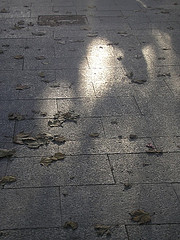
Dos de ellas vienen de la Antología de la Literatura Fantástica de Borges, Bioy Casares y Silvina Ocampo, que me regaló MJ en 1993.
—oOo—
DEFINICIÓN DEL FANTASMA (del Ulises de Joyce)
¿Qué es un fantasma?, preguntó Stephen. Un hombre que se ha desvanecido hasta ser impalpable, por muerte, por ausencia, por cambio de costumbres.

—oOo—
UN AUTÉNTICO FANTASMA (de Sartor Resartus de Carlyle)
¿Habría algo más prodigioso que un auténtico fantasma? El inglés Johnson anheló, toda su vida, ver uno; pero no lo consiguió aunque bajó a las bóvedas de las iglesias y golpeó féretros. ¡Pobre Johnson! ¿Nunca miró las marejadas de vida humana que amaba tanto? ¿No se miró siquiera a sí mismo? Johnson era un fantasma, un fantasma auténtico; un millón de fantasmas lo codeaba en las calles de Londres. Borremos la ilusión del Tiempo, compendiemos los sesenta años en tres minutos, ¿qué otra cosa era Johnson, qué otra cosa somos nosotros? ¿Acaso no somos espíritus que han tomado un cuerpo, una apariencia, y que luego se disuelven en aire y en invisibilidad?
—oOo—
También un fantasma, claro, era el escritor. Y ahora también el relato lo es, perdido porque lo encripté en su momento, y fue víctima de una incompatibilidad informática. Queda aquí su forma fantasmal, si se quiere. No andamos escasos de apariciones, ni de desapariciones.
—oOo—
viernes, 23 de marzo de 2018
Posthumi
They say that shadowes of deceased ghosts
Doe haunt the houses and the graves about
Of such whose lives-lamp went untimely out,
Delighting still in their forsaken hostes,
So, in the place where cruell love doth shoote
The fatall shaft that slew my loves delight,
I stalke and walke and wander day and night,
Even like a ghost with unperceived foote.
But those light ghosts are happer far than I,
For, at their pleasure, they can come and goe
Unto the place that hides their treasure, so,
And see the same with their fantastick eye.
Where I (alas) dare not approach the cruell
Proud Monument, that doth inclose my Jewell.

Joshua Sylvester, Sonnet 16 from Posthumi (Works, 1641).
—oOo—
domingo, 7 de mayo de 2017
miércoles, 22 de enero de 2014
Un fantasma viviente en 'Little Gidding'
En
la hora de luz incierta de un poema, T. S. Eliot se encuentra con un
antiguo profesor, o con todos ellos. Fantasmas vivientes somos para
nuestros estudiantes. Para los buenos. Para los malos, ni siquiera eso.
O quizá se encuentra Eliot consigo mismo, asumiendo un papel doble—con
el que será para el que fue o es ahora, maestro o alumno de sí mismo...
en todo caso un futuro o ya presente fantasma viviente.

In the uncertain hour before the morning
Near the ending of interminable night
At the recurrent end of the unending
After the dark dove with the flickering tongue
Had passed below the horizon of his homing
While the dead leaves still rattled on like tin
Over the asphalt where no other sound was
Between three districts whence the smoke arose
I met one walking, loitering and hurried
As if blown towards me like the metal leaves.
Before the urban dawn wind unresisting.
And as I fixed upon the down-turned face
That pointed scrutiny with which we challenge
The first-met stranger in the waning dusk
I caught the sudden look of some dead master
Whom I had known, forgotten, half-recalled
Both one and many; in the brown baked features
The eyes of a familiar compound ghost
Both intimate and unidentifiable.
So I assumed a double part, and cried
And heard another's voice cry: 'What! are you here?'
Although we were not. I was still the same,
Knowing myself yet being someone other—
And he a face still forming; yet the words sufficed
To compel the recognition they preceded.
And so, compliant to the common wind,
Too strange to each other for misunderstanding,
In concord at this intersection time
Of meeting nowhere, no before and after,
We trod the pavement in a dead patrol.
I said: 'The wonder that I feel is easy,
Yet ease is cause of wonder. Therefore speak:
I may not comprehend, may not remember.'
And he: 'I am not eager to rehearse
My thoughts and theory which you have forgotten.
These things have served their purpose: let them be.
So with your own, and pray they be forgiven
By others, as I pray you to forgive
Both bad and good. Last season's fruit is eaten
And the fullfed beast shall kick the empty pail.
For last year's words belong to last year's language
And next year's words await another voice.
But, as the passage now presents no hindrance
To the spirit unappeased and peregrine
Between two worlds become much like each other
So I find words I never thought to speak
In streets I never thought I should revisit
When I left my body on a distant shore.
Since our concern was speech, and speech impelled us
To purify the dialect of the tribe
And urge the mind to aftersight and foresight,
Let me disclose the gifts reserved for age
To set a crown upon your lifetime's effort.
First, the cold friction of expiring sense
Without enchantment, offering no promise
But bitter tastelessness of shadow fruit
As body and soul begin to fall asunder.
Second, the conscious impotence of rage
At human folly, and the laceration
Of laughter at that which ceases to amuse.
And last, the rending pain of re-enactment
Of all that you have done, and been; the shame
Of motives late revealed, and the awareness
Of things ill done and done to others' harm
Which once you took for exercise of virtue.
Then fools' approval stings, and honour stains.
From wrong to wrong the exasperated spirit
Proceeds, unless restored by that refinining fire
Where you must move in measure, like a dancer.'
The day was breaking. In the disfigured street
He left me, with a kind of valediction,
And faded on the blowing of the horn.

In the uncertain hour before the morning
Near the ending of interminable night
At the recurrent end of the unending
After the dark dove with the flickering tongue
Had passed below the horizon of his homing
While the dead leaves still rattled on like tin
Over the asphalt where no other sound was
Between three districts whence the smoke arose
I met one walking, loitering and hurried
As if blown towards me like the metal leaves.
Before the urban dawn wind unresisting.
And as I fixed upon the down-turned face
That pointed scrutiny with which we challenge
The first-met stranger in the waning dusk
I caught the sudden look of some dead master
Whom I had known, forgotten, half-recalled
Both one and many; in the brown baked features
The eyes of a familiar compound ghost
Both intimate and unidentifiable.
So I assumed a double part, and cried
And heard another's voice cry: 'What! are you here?'
Although we were not. I was still the same,
Knowing myself yet being someone other—
And he a face still forming; yet the words sufficed
To compel the recognition they preceded.
And so, compliant to the common wind,
Too strange to each other for misunderstanding,
In concord at this intersection time
Of meeting nowhere, no before and after,
We trod the pavement in a dead patrol.
I said: 'The wonder that I feel is easy,
Yet ease is cause of wonder. Therefore speak:
I may not comprehend, may not remember.'
And he: 'I am not eager to rehearse
My thoughts and theory which you have forgotten.
These things have served their purpose: let them be.
So with your own, and pray they be forgiven
By others, as I pray you to forgive
Both bad and good. Last season's fruit is eaten
And the fullfed beast shall kick the empty pail.
For last year's words belong to last year's language
And next year's words await another voice.
But, as the passage now presents no hindrance
To the spirit unappeased and peregrine
Between two worlds become much like each other
So I find words I never thought to speak
In streets I never thought I should revisit
When I left my body on a distant shore.
Since our concern was speech, and speech impelled us
To purify the dialect of the tribe
And urge the mind to aftersight and foresight,
Let me disclose the gifts reserved for age
To set a crown upon your lifetime's effort.
First, the cold friction of expiring sense
Without enchantment, offering no promise
But bitter tastelessness of shadow fruit
As body and soul begin to fall asunder.
Second, the conscious impotence of rage
At human folly, and the laceration
Of laughter at that which ceases to amuse.
And last, the rending pain of re-enactment
Of all that you have done, and been; the shame
Of motives late revealed, and the awareness
Of things ill done and done to others' harm
Which once you took for exercise of virtue.
Then fools' approval stings, and honour stains.
From wrong to wrong the exasperated spirit
Proceeds, unless restored by that refinining fire
Where you must move in measure, like a dancer.'
The day was breaking. In the disfigured street
He left me, with a kind of valediction,
And faded on the blowing of the horn.
—oOo—
Suscribirse a:
Entradas (Atom)
Mi fotoblog

se puede ver haciendo clic en la foto ésta de Termineitor. Y hay más enlaces a cosas mías al pie de esta página.