lunes, 16 de junio de 2014

Figurations of Intemediality CFP

Figurations of Intermediality in Film
XV. Film and Media Studies Conference inTransylvaniaCluj-Napoca, October 24-26, 2013.Deadline for proposals: 30 June, 2014.

CALL FOR PAPERS

Intermediality has emerged as one of the major theoretical issues of contemporary thinking about film bringing a fresh view upon the ways in which the moving pictures can incorporate forms of all other media, and can initiate “dialogues” between the distinct arts. The most important works on cinematic intermediality so far have targeted the notion of intermediality both as a general concept and as a specific rhetoric in the works of individual artists (like Peter Greenaway or Jean-Luc Godard). Surveying the current cinematic “landscape” we may encounter some astonishing films that seem to have been designed on the principle of dismissing a conventional, “self-effacing” style (to use Bordwell’s term for classical cinema) in favour of forging an explicitly intermedial visual rhetoric. From the experimental, avant-garde canon to some current examples of mainstream, “hypermediated” digital cinema, from painterly movies bordering on installation art (like Lech Majewski’s The Mill and the Cross or The Roe’s Room), to so-called “slow cinema” projects, such films challenge us in finding the adequate theoretical framework for analysis.
By organizing this conference we would like to initiate a wider discussion among scholars whose researches may be connected to the idea of inter-media relations in moving images and are engaged in deeper explorations into the poetics of intermediality in film. In doing so we wish to bring into the spotlight one of the key aspects of intermediality:the fact that intermediality as such always manifests itself as a kind of “figuration” in film through which medial differences are visibly and self-reflexively “re-inscribed” within the moving image, and that in general, philosophical terms, intermediality can even be conceived as belonging to the domain of the “figural” in the sense used by Lyotard, and elaborated by D. N. Rodowick in his book Reading the Figural (in which he claims the “figural” to be a kind of interface for media relations in film).
In the past few decades there have been several important theoretical works that have dealt with the ways in which moving images operate within a network of interrelated media and with instances in which the boundaries between individual media and arts have been effectively blurred through techniques that enable the features of one medium to resurface within another, and which may offer theoretical vantage points for analyzing possible figurations of intermediality. We may list here studies re-evaluating cinema’s connections to traditional forms of visual arts (e.g. Angela Dalle Vacche’s, Susan Felleman’s, Belén Vidal’s, Steven Jacobs’s works on cinema and painting, or theoretical analyses of the figuration of the tableau vivant in cinema in seminal books by Brigitte Peucker, Pascal Bonitzer, Joachim Paech, etc.), but also the recent studies referring to the relationship of cinema and photography (e.g. Damian Sutton, Garrett Stewart, Régis Durand, David Campany, etc.), and implicitly to the relationship of stillness and motion within cinema, along with analyses of the connections between cinema, video and installation art (e.g. Raymond Bellour, Yvonne Spielmann, etc.).
In the context of shifting paradigms in film poetics from stylistic patterns of modern or postmodern cinema towards what we may term as “post-media cinema,” the figural aspects of intermediality also manifest new forms that may require a search for further theoretical perspectives for identifying and interpreting techniques that figurate intermedial relations. In doing so, perhaps, we should also keep in mind that although intermediality often occurs as a form of aesthetic detachment or as some sort of hypermedia ornamentalism, such figurations can also insist on “tangibility,” or, as Brigitte Peucker reminds us in her book, The Material Image. Art and the Real in Film (2007), on “the merger of representation with reality,” both through establishing the viewers’ intimacy with the medium and through the performative potential of such figures to produce an increasingly haptic cinema, a cinema of “sensual excess” in which the “body” of the medium and the mediation of bodies and sensations sometimes become intertwined in ways that may suggest a rethinking of the figurations of intermediality from the perspective of phenomenology or visual anthropology, and so on. As such, intermedial figurations may be conceived as open to a wide range of philosophical, aesthetical, ideological, historical, and media theoretical interpretations that we hope papers presented at this conference will explore.

Proposals are invited to address (but are not limited to) the following questions either from a theoretical point of view or through concrete analyses:
                 ·   Intermediality and the figurations of intermediality in film from a theoretical perspective:
a) theories of intermediality and intermedial figurations (film and media theoretical, philosophical approaches, psychoanalysis, visual anthropology etc.);
b) intermediality and the concept of “the figural” and “figuration” as discussed by Lyotard, Deleuze, Rodowick, etc.
·   The rhetoric of intermedial cinemaart theoretical and aesthetical considerations: figuration and (dis)figuration, mise-en-abyme and embedding, intermediality and metalepsis, the tableau vivant in cinema, possible trans-medial “adaptations” of traditional rhetorical figures/tropes (e.g. ekphrasishypotyposis, etc.),
·    Intermediality and inter-sensuality in film: figures that merge “hypermediacy” with “immediacy,” the represented and sensed body as a site of intermedial figurations, etc.
·    Remediated images as figurations of intermediality and post-mediality: recontextualization as/and remediation, reframing, media collage, remix, etc.
·    Figurations of intermediality as imprints of (and meditations upon) history and time, cultural and personal identity or intercultural exchange:
a) relating the rhetoric of intermediality to the specific personal, cultural, historical, ideological contexts, ideas and artistic paradigms in which they occur;
b) the poetics and politics of intermediality in the cinema of Eastern and Central Europe.
Confirmed keynote speakers:

¢     Brigitte Peucker (Yale University, USA), author of Incorporating Images: Film and the Rival Arts (1995), The Material Image: Art and the Real in Film (2007), currently working on a book titled Aesthetic Spaces: The Place of Art in Film.
¢     Eivind Røssaak (National Library of Norway), author of The Still/Moving Image: Cinema and the Arts (2010), and editor of the volume Between Stillness and Motion(2011).

We invite both proposals for individual papers and pre-constituted panels. Panels may consist of 3 or 4 speakers. The time for presentations is limited to maximum 20 minutes, followed by a 10 minute debate.

Deadline for the submission of proposals: June 30, 2014.
We will notify you about the acceptance of your proposal by: July 7, 2014.
Submission of proposals: please download the submission form from our website, complete and send it as an attachment to the following address:2014.intermedia.figurations@gmail.com.

................................
Dr. ÁGNES PETHŐ, Head of Department
Sapientia University, Cluj-Napoca, Romania
Department of Film, Photography, and Media,

Debate sobre la abdicación del Rey


Bueno Sánchez, Gustavo, et al. "Debate público especial El Rey Abdica 02/06/2014." Video. (TV Asturias). YouTube (Tele Asturias) 3 June 2014.*

https://youtu.be/TWNOs8Ew4NA

         2024


Comentario que le pongo: Este falso hasta la extenuación nombra a su padre, pero no a Franco que fue quien lo hizo rey. Del mismo modo, también escamotea las auténticas razones para su abdicación, y los artífices de la misma.

—oOo—

domingo, 15 de junio de 2014

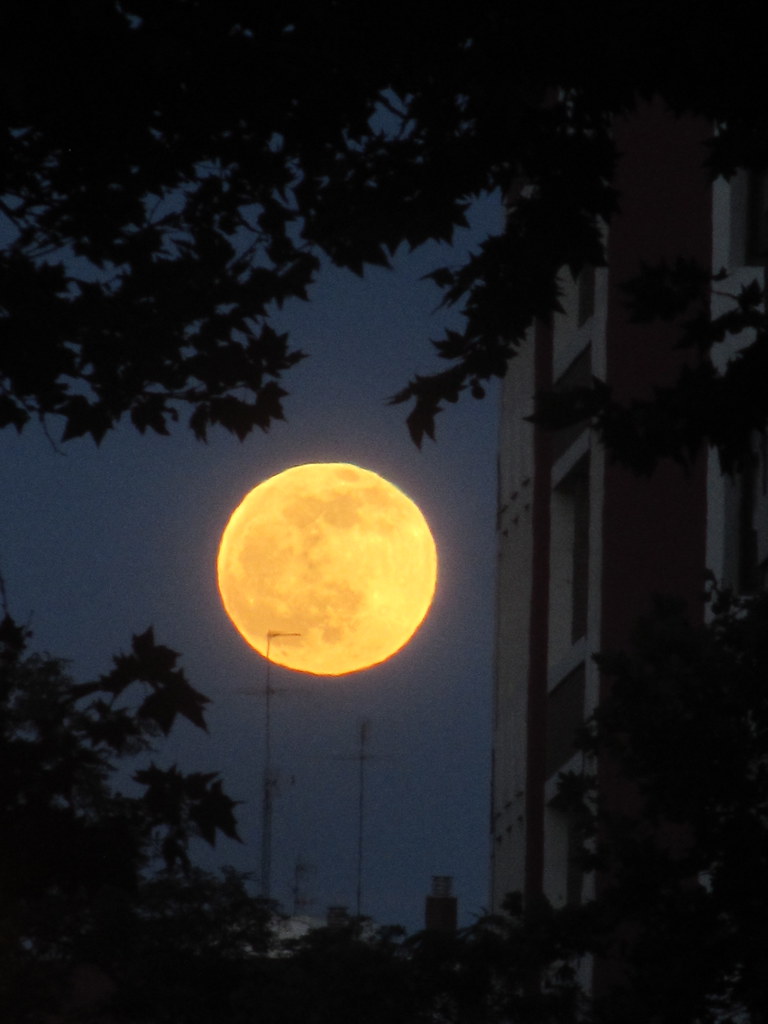
Full moon on my street


Full moon on my street


—oOo—

Días del futuro pasado

Nos vamos a ver esta película, por seguir con las viejas costumbres—pues estos mutantes de la Ex-Patrulla X nacieron conmigo:

X-Men: Días del futuro pasado (2014)
"X-Men: Days of Future Past" (original title)

8,5
Your rating:
    -/10  
Ratings: 8,5/10 from 146.106 users   Metascore: 74/100
Reviews: 491 user | 371 critic | 43 from Metacritic.com
The X-Men send Wolverine to the past in a desperate effort to change history and prevent an event that results in doom for both humans and mutants.

Director:

Writers:

(screenplay), (story), 2 more credits »


La idea básica de corregir el pasado está, claro, no sólo en Terminator, sino en historias más antiguas, como Asem de Goldsmith, o la historia de Don Illán el mágico, de Don Juan Manuel. La mayor aportación aquí es la indicada en el cartel, la conversación entre el present self y el past self del Profesor X. Y es cierto que el pasado es un territorio desconocido, y el futuro todavía más... 

Según Leonard Cohen, sucede al revés que en la película. I've seen the future, brother—it is murder.

Para doxas temporales, esa idea popular y científico-matemática de que todo el tiempo en realidad existe simultáneamente, en la eternidad...  Qué bonito sería, que todo estuviese almacenado en algún sitio.


Incuso dibujé un tebeo o dos de los X-Men, en los 70-80.  Ese sí que está más o menos almacenado...  Mi favorito no sé si era Cíclope, o el Angel:


—oOo—


10 libros sobre economía liberal

Entrevista de Mario Noya a Carlos Rodríguez Braun, que recomienda algunos clásicos del liberalismo:

Arvo Pärt — Symphony No. 4 'Los Angeles'

sábado, 14 de junio de 2014

Topsight y contadores

El escritor goza de cierta perspectiva dominante o topsight en tanto que diseñador de su escrito (obra, novela, discurso, drama). Yo sé qué voy a decir, tú no tienes mucha idea, lector, de adónde va esta frase, ni en qué acabará este post—y esa ilusión de dominio se mantiene mientras el lector se atiene a su papel de lector implícito. Pero si el lector se adelante y hojea u ojea el final de la obra, desbarata un tanto esa estructura perspectivística. Eso es irritante para los escritores, que (generalmente hablando) querrían que los lectores leyesen su obra ordenadamente y según el plan establecido, para mantener esa superioridad perspectivística que a todos nos agrada. El premio reservado al lector de muchas obras narrativas clásicas es, en efecto, igualar al final de la obra la perspectiva dominante que ha estado reservada entretanto al autor.

El lector tiene otro tipo de dominio perspectivístico: a saber, que es el que controla el proceso de lectura. El autor propone, pero el lector dispone, cuándo se inicia y cuándo termina la interacción textual. Es más, el autor puede atisbar si su obra es muy leída o poco, y se afana por saberlo o procura ignorarlo, según temperamentos. Cuántos autores desearían tener la perspectiva dominante absoluta que les permitiese seguir el trayecto de cada uno de sus volúmenes, y saber quién los está leyendo, o los ha leído—o cuántos van a seguir esperando hasta la eternidad en las estanterías, más de los que parecería, creo. Muchos chascos iban a esperar a los autores, quizá en general no están siendo leídos por nadie, en un momento dado, a menos que sean furias de ventas o enormes clásicos—pero no hay manera de saberlo. Mejor consolarse con que los volúmenes están publicados, e incluso vendidos en bastantes casos. La limitada perspectiva de que se dispone aquí la tiene el lector—que sabe que está leyendo a Cortázar, aunque Cortázar ya no esté en condiciones de saber nada.

Los textos electrónicos hodiernos han venido a complicar un tanto este panorama, con el uso de contadores y registros de visitantes como este que tengo, el Feedjit. Ahora se refuerza el dominio perspectivístico del escritor: no sólo sabe que ha escrito algo, sino también que está siendo leído, o por lo menos visitado o vistado.  Vean, vean:


________


Vicente Lopez, Buenos Aires arrived from google.com.ar on "Vanity Fea: Semiología del personaje literario".
21:12:43 -- 13 minutes ago
21:09:11 -- 17 minutes ago
21:03:54 -- 22 minutes ago
Santiago, Region Metropolitana arrived on "Vanity Fea: Cultura popular, literatura y traducción".
20:55:48 -- 30 minutes ago

 ________

—etc.


Menos da una piedra. Ya hubieran querido los autores impresos y publicados tener un pequeño contador parecido, ya, para sus volúmenes....   Ahora podemos imaginar hasta el trayecto de los lectores, a veces, o el tiempo que tardan en leer algo. De comentarios no hablo, porque han desaparecido prácticamente de los blogs, para ir a refugiarse a las invectivas en los artículos políticos de los periódicos, y a las redes sociales y guassappps.

Un duelo de perspectivas dominantes se da cuando el contador se hace público, visible para los lectores, y por tanto pueden éstos no sólo saber que están leyendo, sino saber que se sabe que están leyendo. O por lo menos, imaginar que alguien imagina que estás leyendo algo—cuando igual sólo estás mirando los santos.

Las guerras de piques y de comentarios encontrados son interesantes en su uso de estas modalidades de la perspectiva dominante. Pero como casi han desaparecido de mi experiencia, voy a pasar de teorizar al respecto. Por cierto que también las visitas van bajando, quizá pronto sean un recuerdo de antaño, como los comentarios hogaño.


—oOo—

Abdicaciones, Madinas, etc.

Jokerman (3)

viernes, 13 de junio de 2014

UPyD sobre la abdicación

El viento en las ramas

El viento en las ramas

En Conflict Studies


_____. "Miserias de la guerra de Pío Baroja: Una desilusión con el mundo y con España." Social Science Research Network 6 June 2014.*

https://ssrn.com/abstract=2446804

http://dx.doi.org/10.2139/ssrn.2446804

         2014

         Conflict Studies: Intra-State Conflict eJournal 23 June 2014.*

         http://www.ssrn.com/link/Conflict-Studies-Intra-State-Conflict.html (6 June 2014)

         2014

         Conflict Studies: Effects of Conflict eJournal 11 June 2014

         http://www.ssrn.com/link/Conflict-Studies-Effects-Conflict.html (6 June 2014)

2014

Social and Political Conflict eJournal 6 June 2014.*

         http://www.ssrn.com/link/Social-Political-Philosophy.html

2014

Juliette Gréco - FrancoFolies de Montréal 2009

jueves, 12 de junio de 2014

Semilla Negra

Aunque también los límites

Énfasis añadido:

"Los desobedientes demostraron que era posible hacer política en el escenario global sin ser un partido; que se puede estar en el centro de los debates sin dejarse cooptar. Esta aportación ha sido clave, a nuestro juicio, para entender los éxitos (aunque también los límites) de las jornadas de acción en Europa."

—Pablo Iglesias Turrión,  Multitud y acción colectiva transnacional. Un estudio comparado de los desobedientes. De Italia a Madrid (2000-2005). Tesis doctoral, Univ. Complutense de Madrid, 2008, p. 517. En red en eprints.ucm.es

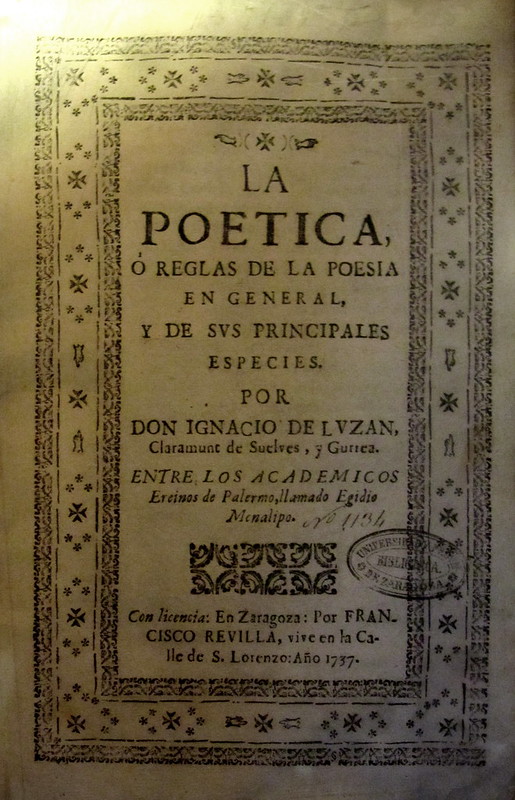
La Poética de Luzán

La Poética de Luzán


—oOo—

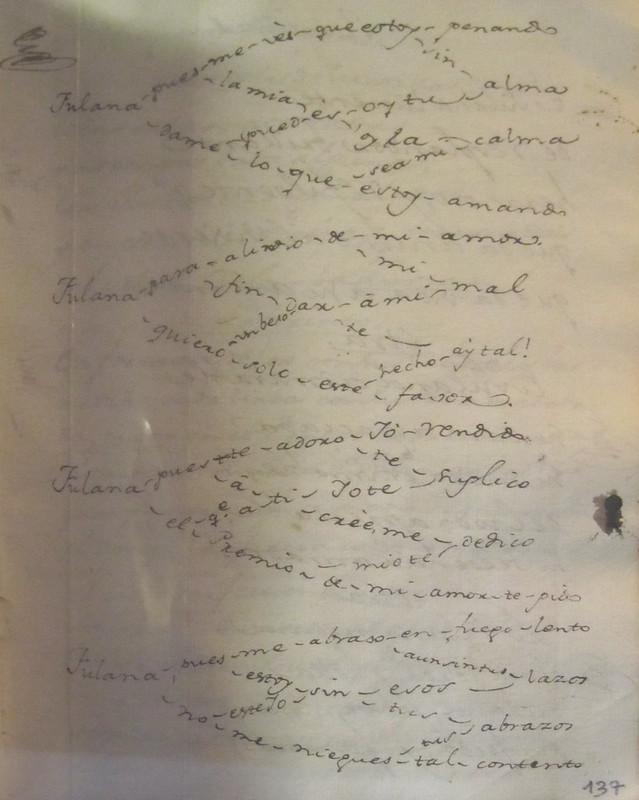
Poema oulipiano a Fulana

Manuscrito del XVIII, en "Poesías varias: Escritas y recogidas por D. Tomás Fermín de Lezaún" (1747-1778). Expuesto en el Paraninfo de la Universidad de Zaragoza, en la exposición dedicada a Jordán de Asso y el espíritu ilustrado.

Poema oulipiano a Fulana

—oOo—


A Thousand Leaves

Thousands of Leaves


—oOo—

Thousands of Leaves

Thousands of Leaves

On Experimental and Postmodern Fiction


Mi fotoblog

Mi fotoblog
se puede ver haciendo clic en la foto ésta de Termineitor. Y hay más enlaces a cosas mías al pie de esta página.